
Rise of Modern China: The Economic Revolution That Reshaped a Nation
China’s transformation over the last four decades is one of the most extraordinary stories in modern history. In 1978, China was an isolated, largely agrarian country struggling to recover from political chaos and economic stagnation. Today, it stands as one of the world’s leading economic powers, deeply embedded in global trade, industry, and technology.
This dramatic rise did not happen by accident. It began with a series of bold reforms, pragmatic leadership, and a clear ambition to rebuild the nation from the ground up. The journey was far from smooth, marked by breakthroughs, setbacks, internal debates, and global controversies. But together, these events reshaped China’s identity and its place in the world.
A Turning Point: Deng Xiaoping Steps Forward (1978)
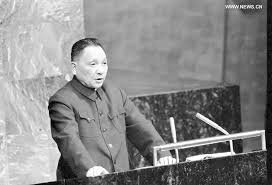
The story of modern China effectively begins with Deng Xiaoping, who emerged as the country’s new leader in 1978. After years of instability under the Cultural Revolution, Deng arrived with a different outlook. He believed that China needed to modernize quickly, even if that meant adopting non-traditional methods.
He introduced the “Four Modernizations” a national plan to reform agriculture, industry, defense, and science & technology. While these reforms sounded technical, they represented a major shift in China’s thinking. For the first time, economic progress took priority over ideological purity.
During this time, Beijing witnessed a brief wave of public expression, best represented by the “Democracy Wall” movement. Citizens posted their ideas, criticisms, and hopes for a better future. But when demands began challenging one-party rule, the government intervened. Deng made it clear: China would change economically, not politically.
A New Economic Model: Socialism With Chinese Characteristics
Once the direction was set, Deng introduced a hybrid model he called Socialism with Chinese Characteristics. It combined state authority with market-driven incentives, a bold experiment that would become the foundation of China’s future success.
Key features of the new system included:
- Allowing private businesses to operate
- Decentralizing decision-making
- Encouraging entrepreneurship
- Opening China to foreign companies
- Relaxing strict price controls
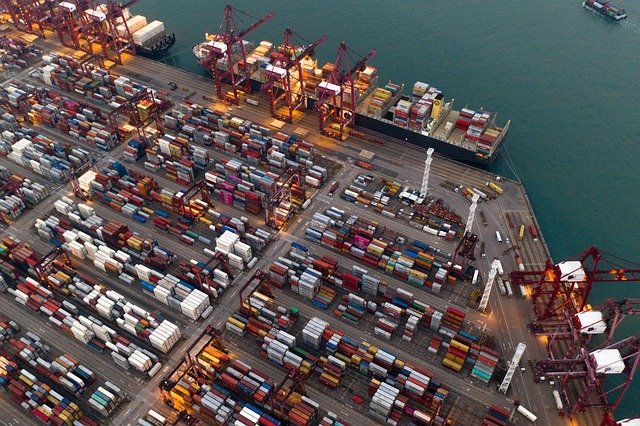
The most powerful catalyst in this transformation was the creation of Special Economic Zones (SEZs). Cities like Shenzhen, which was once a quiet fishing town, became testing grounds for investment, manufacturing, and foreign trade. With lower taxes, fewer regulations, and access to abundant labor, SEZs quickly attracted global attention.
Factories multiplied, foreign companies poured in, and China began integrating into the world economy. These zones effectively became the engines of China’s industrial boom.
Revolution in the Countryside
While cities saw rapid industrial growth, the countryside experienced its own transformation. Deng dismantled Mao’s collectivized farming system and allowed families to manage their own plots of land. Farmers could now decide what to grow, how to produce, and how to sell their goods.
The results were remarkable:
- Agricultural production surged more than 60%
- Tens of millions of people escaped chronic hunger
- Rural income increased significantly
- Food shortages, which had plagued China for generations, declined sharply
At the same time, universities reopened, entrance exams returned, and intellectual life slowly revived. Students and academics who had been sent to rural areas during the Cultural Revolution were allowed to return.
China’s rural and educational revival laid a strong foundation for the country’s long-term development.
China and the World: New Partnerships, New Tensions
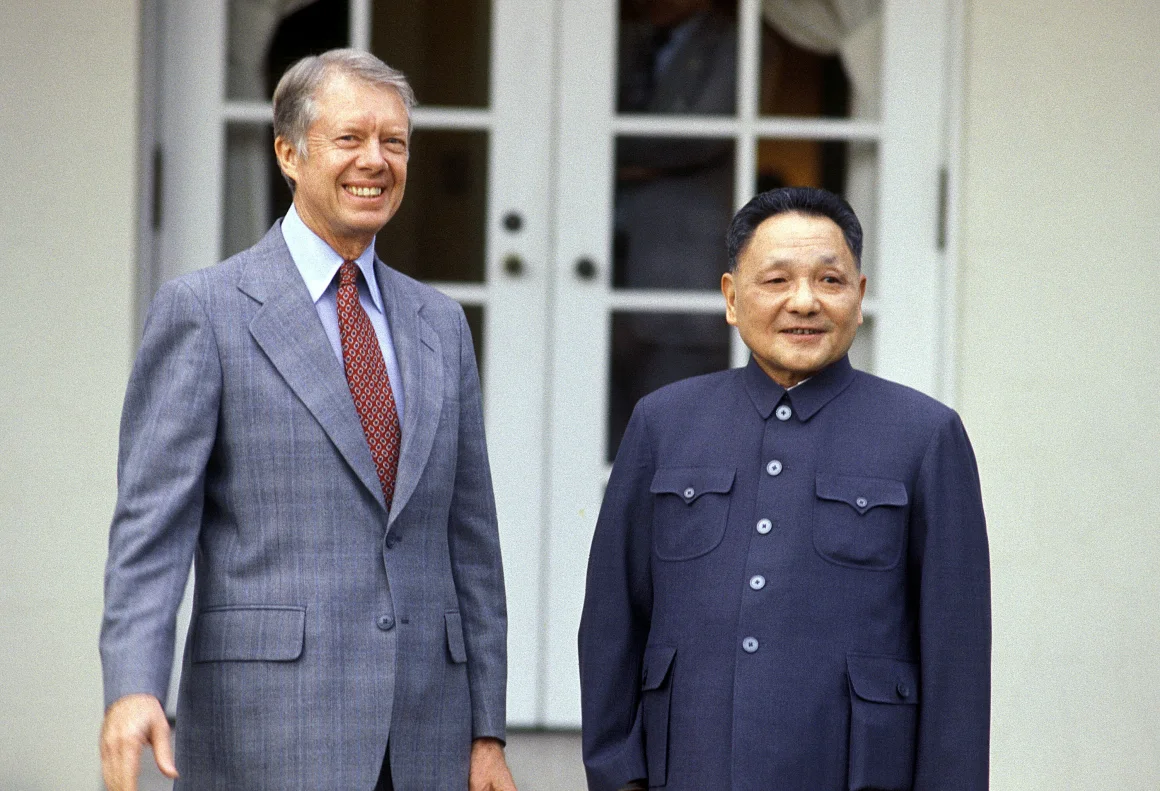
As China reformed internally, it also adjusted its foreign policy. Deng’s 1979 visit to the United States marked a turning point. It was the first visit by a Chinese leader in decades and sent a clear message that China was ready to engage with the world.
However, the period was not without conflict. China fought a brief but costly war with Vietnam in 1979. Though militarily inconclusive, the conflict exposed weaknesses in China’s army and accelerated military modernization.
On the diplomatic front, China improved its relations with the West, strengthened ties with Japan, and pursued a more pragmatic approach to global affairs. Even its stance on Taiwan softened, shifting from “liberation” to “peaceful reunification.”
Social Change and the One-Child Policy
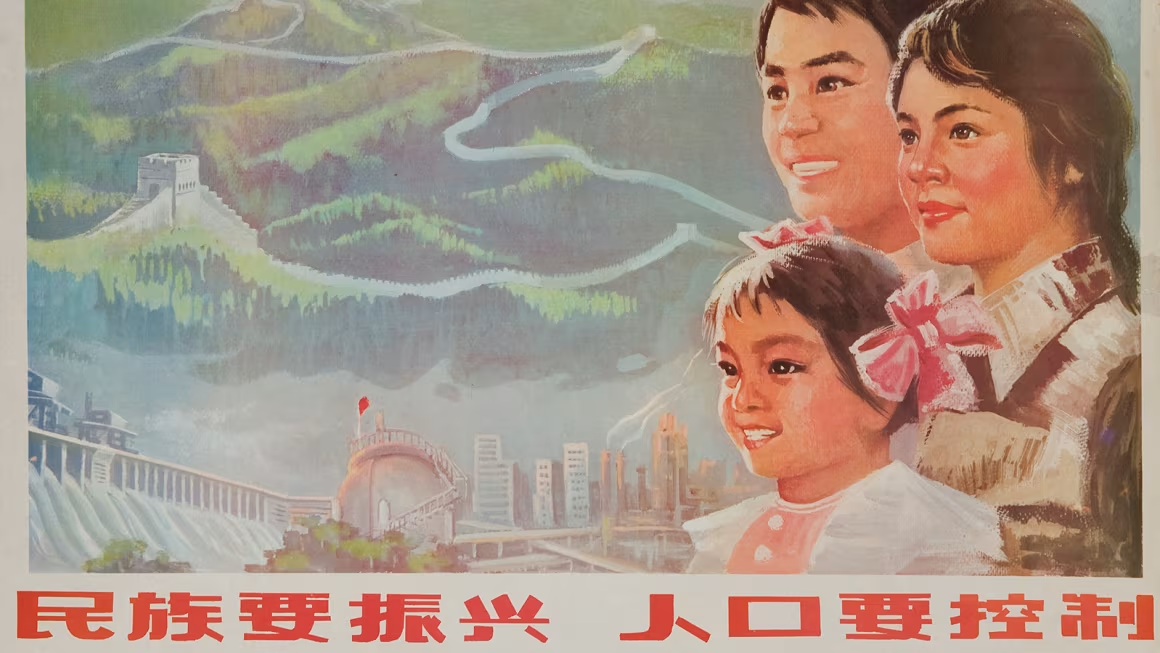
By 1980, China’s population had soared to nearly one billion. Fearing that rapid population growth would undermine economic progress, the government introduced the One-Child Policy. It drastically reduced birth rates, but it also created long-term challenges, including gender imbalances and a shrinking workforce.
During the same period, women’s participation in the workforce grew rapidly. Urban women gained more rights in marriage, education, and employment, though rural areas progressed at a slower pace. China signed global commitments to improve gender equality, but real change remained uneven.
The Push for Political Reform and the 1989 Crisis
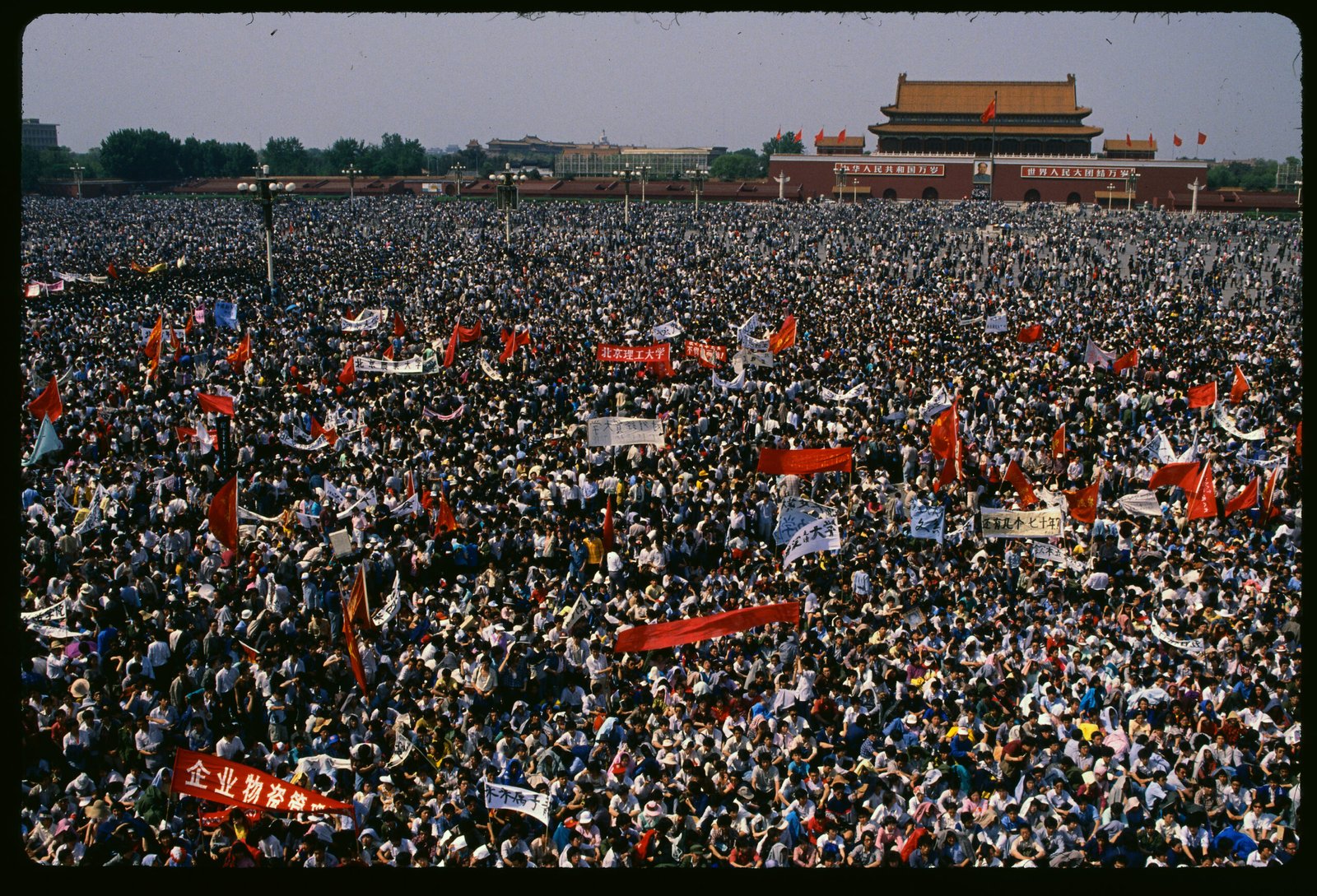
Economic prosperity raised expectations for political openness. Students and intellectuals admired reform-minded leaders such as Hu Yaobang, who supported transparency and challenged corruption. When Hu was forced to resign and later passed away in 1989, widespread mourning turned into mass protests.Demonstrators gathered in Tiananmen Square, calling for dialogue, accountability, and greater freedoms. The government declared martial law, and on June 3–4, troops moved in to clear the square. The confrontation resulted in a tragic loss of life and remains one of the most sensitive episodes in modern Chinese history.
The iconic image of the lone “Tank Man” became a symbol of courage and defiance around the world.
In the immediate aftermath, China faced sanctions, criticism, and diplomatic isolation. It seemed that the reform era had come to a sudden halt.
Deng’s Final Push: Prosperity Without Political Freedom
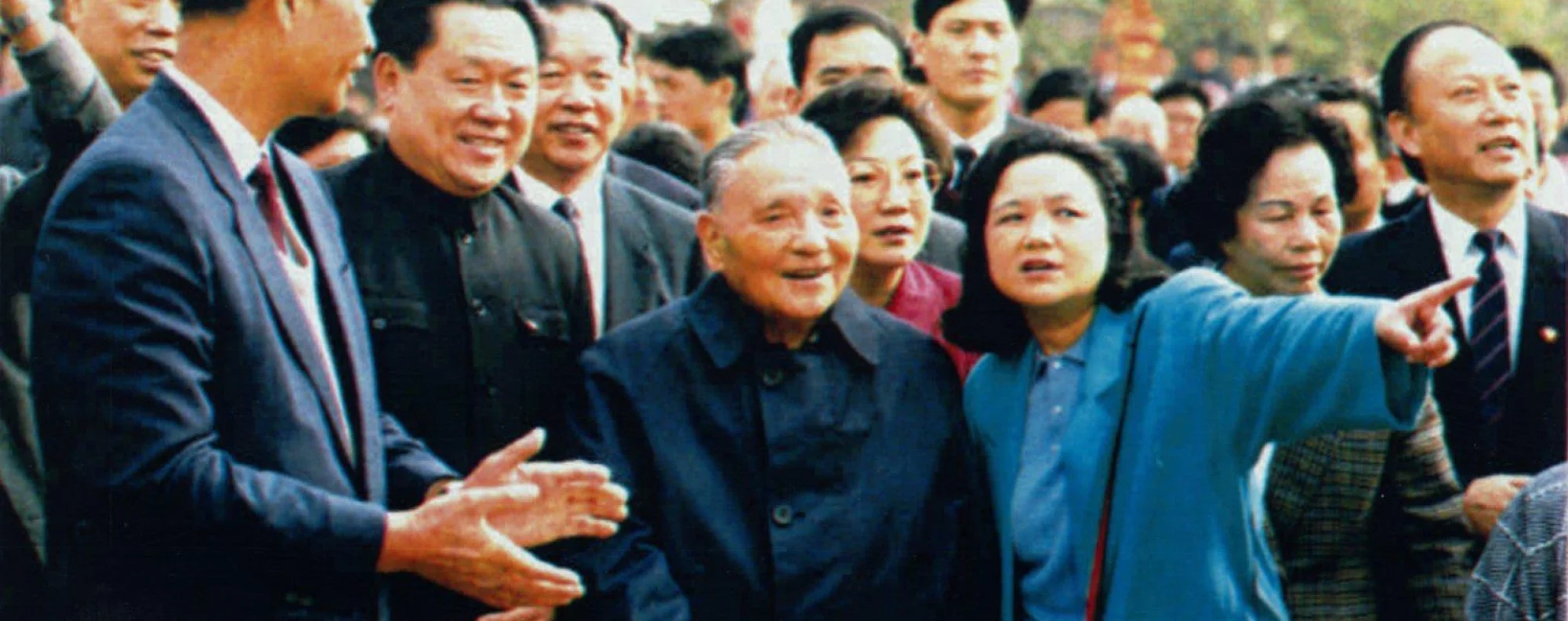
Despite the crisis, China’s economic engine reignited. In 1992, Deng undertook his famous Southern Tour, visiting the booming SEZs and urging officials to prioritize growth over politics. His message revived the reform movement.
China redefined its economy again, adopting the term “socialist market economy.” This opened the door for private businesses, foreign investment, and large-scale industrial expansion.
The impact was historic:
- GDP growth surged past 10% annually
- Over 800 million people escaped extreme poverty
- China became a global manufacturing center
- Urban cities expanded at unprecedented rates
However, rapid growth also brought problems: inequality, pollution, corruption, and the rise of “migrant workers” with limited access to urban benefits.
Deng passed away in 1997, but his reforms permanently changed China’s trajectory.
The New Century: China Steps Onto the Global Stage
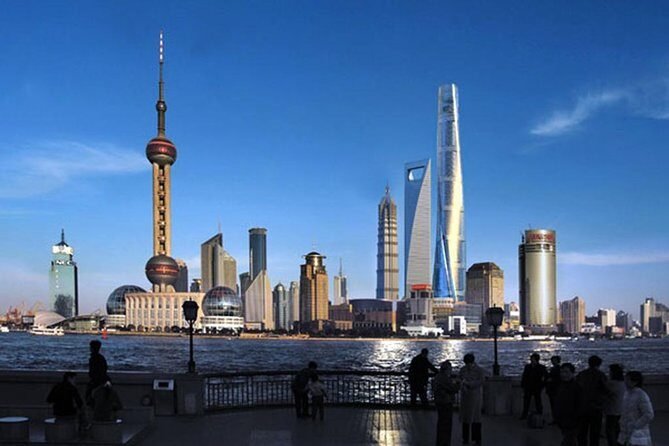
Under Jiang Zemin and later leaders, China continued to assert itself globally. Key milestones included:
- 1997: Return of Hong Kong
- 1999: Return of Macau
- 2001: China joins the World Trade Organization
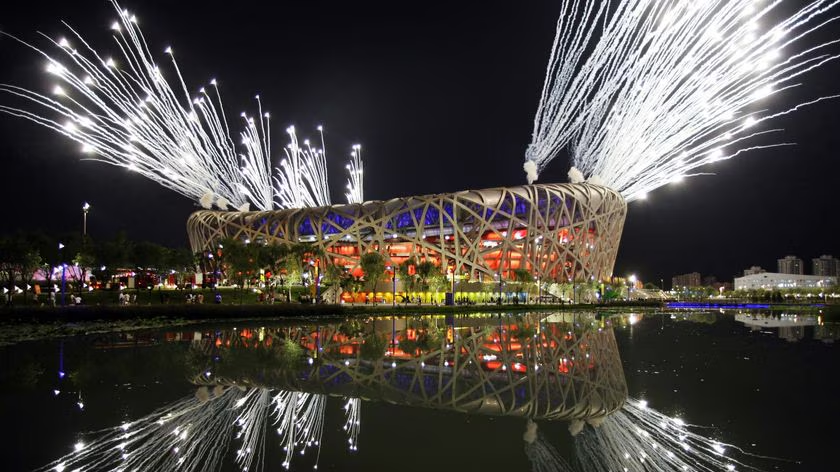
- 2008: Beijing hosts the Olympic Games
China became the world’s largest exporter and the center of global manufacturing. The 2008 Olympics showcased a confident, ambitious nation ready to take a leading role on the world stage.
At home, however, the government tightened control in regions like Tibet and Xinjiang, expanded the “Great Firewall,” and strengthened surveillance systems. Economic prosperity came with political restrictions.
By the time Xi Jinping took office in 2012, China had transformed into a powerful, complex nation that played a central role in global affairs.
Conclusion: China’s Journey of Transformation
China’s rise from 1978 to the present is a story of bold reforms, massive ambition, and profound change. In just one generation, it moved from rural poverty to global power, driven by strategic leadership and the willingness to redefine its economic model.
The country’s transformation was not without sacrifices, challenges, and controversies, but the results reshaped the global economy and shifted the balance of world power.
China’s journey continues and its next chapter will be as significant as the last.
Liked this article? You might also find these pieces insightful: